Finding the absolute best wireless earbuds for Android smartphone is no longer just about cutting the cord. In the modern portable audio landscape, it involves a careful evaluation of Bluetooth audio codecs (such as LDAC and aptX), active noise cancellation (ANC) efficiency, microphone pickup clarity, companion app optimization, ergonomic ear fatigue, and battery performance.
While Apple users default to the closed AirPods ecosystem, Android users enjoy a vastly richer, more competitive market. From high-resolution audio powerhouses engineered by legacy hi-fi brands to ultra-durable workout buds with military-grade water resistance, Android compatibility offers remarkable flexibility.
In this comprehensive guide, we systematically evaluate, test, and rank the top contenders to determine the best wireless earbuds for Android. Whether you prioritize pure acoustic fidelity, complete silence on busy commutes, or crystal-clear phone calls, this definitive guide provides all the necessary details.
Quick Comparison: Top Picks for Android Users
| Earbud Model | Primary Strength | Codec Support | Battery Life (Buds / Case) | Water Resistance | Google Fast Pair |
|---|---|---|---|---|---|
| Sony WF-1000XM5 | Overall Best & LDAC Audio | LDAC, AAC, SBC, LC3 | 8h / 24h (ANC On) | IPX4 | Yes |
| Bose QuietComfort Ultra | Industry-Leading ANC | aptX Adaptive, AAC, SBC | 6h / 24h | IPX4 | Yes |
| Sennheiser Momentum TW 4 | Audiophile Sound Quality | aptX Lossless, LDAC, Auracast | 7.5h / 30h | IP54 | No |
| Google Pixel Buds Pro 2 | Native Android Integration | AAC, SBC, Opus | 8h / 30h (ANC On) | IP54 (Case IPX4) | Yes |
| Samsung Galaxy Buds3 Pro | Best for Samsung Devices | SSC, AAC, SBC | 6h / 26h (ANC On) | IP57 | Yes |
| Anker Soundcore Liberty 4 NC | Best Budget Contender | LDAC, AAC, SBC | 10h / 50h | IPX4 | Yes |
Sony WF-1000XM5: The Undisputed Android Champion
Sony’s flagship earbuds represent the pinnacle of consumer audio engineering. Building upon the legacy of the WF-1000XM4, the WF-1000XM5 features a drastically redesigned, 25% smaller chassis that addresses previous ergonomic concerns while incorporating dual proprietary processors (the Integrated Processor V2 and the QN2e Noise Cancelling Processor).
| Metric | Rating / Detail |
|---|---|
| Sound Quality | 9.8 / 10 |
| ANC Level | 9.7 / 10 |
| Battery Life | 9.5 / 10 |
| Fit & Comfort | 9.2 / 10 |
| Key Codec | LDAC (Up to 990 kbps high-res transmission) |
| Best For | Audiophiles, commuters, business professionals |
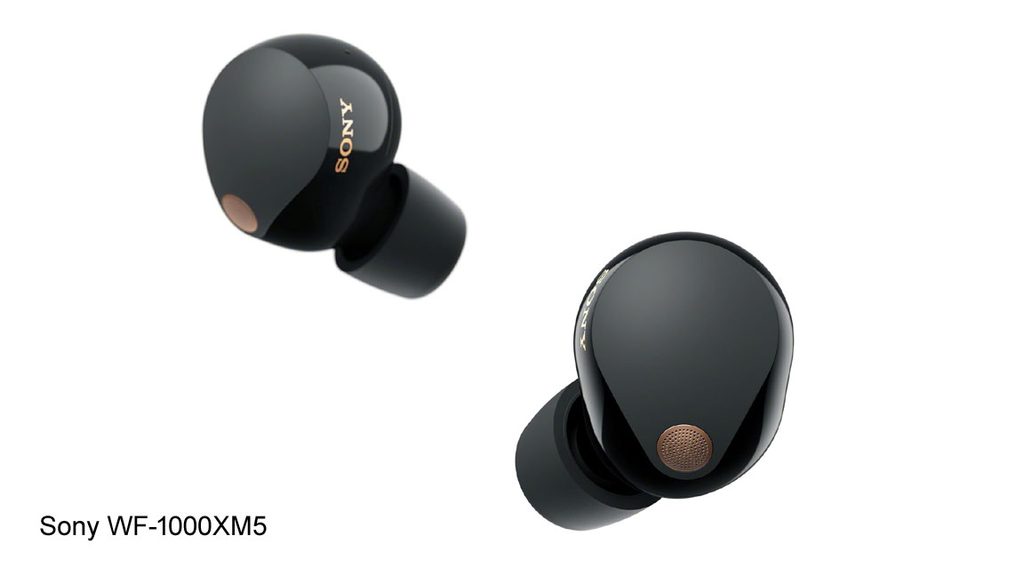
Acoustic Performance & Android Integration
The WF-1000XM5 utilizes Sony’s newly engineered Dynamic Driver X (8.4mm), delivering rich bass extension, clean midrange separation, and transparent highs. For Android users, the inclusion of the LDAC codec is the headline feature. Streaming over LDAC transmits approximately three times more data than the standard SBC codec, allowing Android owners to experience 24-bit/96kHz high-resolution audio natively through services like Tidal, Qobuz, and Apple Music without external DAC hardware.
Active Noise Cancellation (ANC) & Isolation
Equipped with three microphones per earbud and specialized polyurethane foam ear tips, the XM5 dominates low-frequency rumble (airplane engines, city buses) and attenuates human speech better than most in-ear designs. The physical seal of the foam tips complements the digital cancellation, creating an isolated acoustic chamber.
Hardware Specifications
| Specification | Details |
|---|---|
| Driver Architecture | 8.4mm Dynamic Driver X |
| Bluetooth Version | 5.3 with LE Audio support |
| Supported Codecs | LDAC, AAC, SBC, LC3 |
| Battery Endurance | 8h (ANC On) / 12h (ANC Off) / 24h total with case |
| Charging Interface | USB-C & Qi Wireless Charging |
| Water Resistance | IPX4 (Splash & sweat resistant) |
| Android Features | Google Fast Pair, Headphones Connect App, Head Tracking |
Pros & Cons
- Pros:
- Exceptional high-resolution playback via LDAC codec
- Significantly lighter and more comfortable than the predecessor
- Deep companion app customization with 5-band EQ and Clear Bass
- Seamless multipoint connection between your Android phone and PC/laptop
- Cons:
- Glossy outer edge can be slippery when removing from the case
- Polyurethane foam tips require proper rolling/compression for an optimal seal
Bose QuietComfort Ultra Earbuds: Unmatched Noise Cancellation
If your primary concern is eliminating external noise during long flights, crowded subway rides, or chaotic shared workspaces, the Bose QuietComfort Ultra Earbuds stand out. Bose has combined its acoustic engineering with Qualcomm’s Snapdragon Sound platform to deliver low-latency performance and high-fidelity transmission specifically tuned for modern Android smartphones.
| Metric | Rating / Detail |
|---|---|
| Sound Quality | 9.3 / 10 |
| ANC Level | 10 / 10 |
| Battery Life | 8.2 / 10 |
| Fit & Comfort | 9.8 / 10 |
| Key Codec | aptX Adaptive (Snapdragon Sound Certified) |
| Best For | Frequent flyers, commuters, open-office workers |
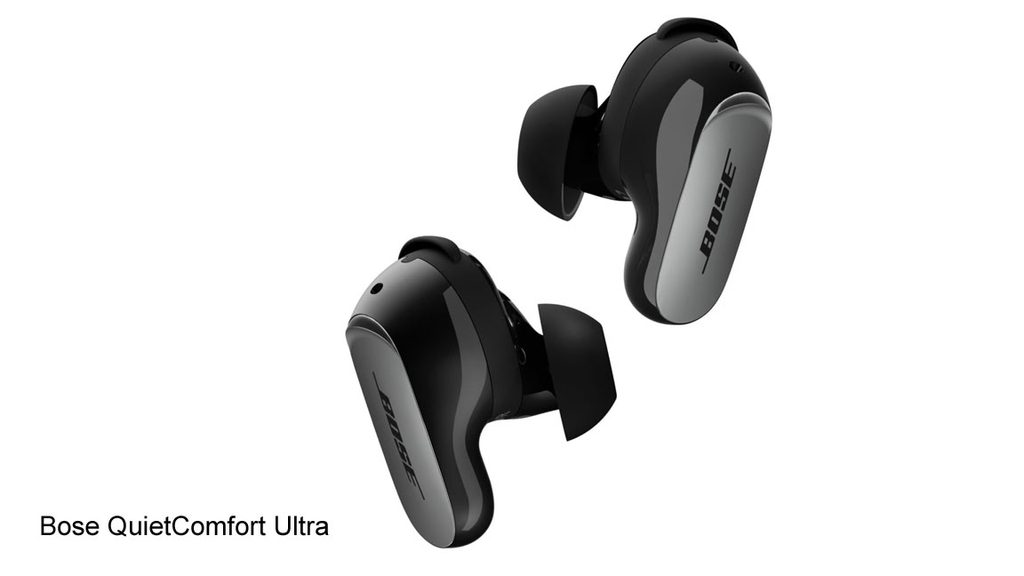
Acoustic Performance & Immersive Audio
The sound profile of the QC Ultra leans towards an engaging, full-bodied signature with authoritative sub-bass response and crystalline vocals. The standout software feature is Bose Immersive Audio, an on-board digital signal processing (DSP) engine that spatializes standard stereo tracks regardless of the source device or media platform. On Android devices powered by Qualcomm Snapdragon chipsets, the earbuds utilize aptX Adaptive, dynamically adjusting bitrate to prevent dropouts in congested radio-frequency environments.
Active Noise Cancellation Benchmark
Bose holds the top spot for pure active cancellation. Using proprietary CustomTune technology, the earbuds emit a calibration chime every time you place them in your ears. The internal microphones measure your ear canal’s acoustic resonance and configure the ANC filters in milliseconds. The result is class-leading attenuation of difficult high-frequency chatter and transient noises.
| Specification | Details |
|---|---|
| Driver Type | Proprietary high-output dynamic transducers |
| Bluetooth Version | 5.3 |
| Supported Codecs | aptX Adaptive, AAC, SBC |
| Battery Endurance | 6h (Standard) / 4h (Immersive Audio) / 24h total with case |
| Charging Interface | USB-C (Wireless case cover sold separately) |
| Water Resistance | IPX4 |
| Android Features | Google Fast Pair, Snapdragon Sound, Bose Music App |
Pros & Cons
- Pros:
- Industry-leading active noise cancellation
- Incredibly stable fit with two-piece ear tip and stability band system
- Low latency and high stability via aptX Adaptive on Android
- Cons:
- Case does not include built-in wireless charging out of the box
- Battery life is average when Immersive Audio mode is active
Sennheiser Momentum True Wireless 4: The Audiophile Standard
Sennheiser approaches wireless earbuds with an audio-first philosophy. The Momentum True Wireless 4 (MTW4) is engineered for listeners who refuse to compromise on musicality, instrument separation, and soundstage dimensionality. Featuring future-proof hardware, this model supports upcoming standards like Auracast and LE Audio.
| Metric | Rating / Detail |
|---|---|
| Sound Quality | 10 / 10 |
| ANC Level | 9.1 / 10 |
| Battery Life | 9.0 / 10 |
| Fit & Comfort | 9.0 / 10 |
| Key Codec | aptX Lossless, aptX Adaptive |
| Best For | Critical listeners, acoustic/rock/jazz enthusiasts |
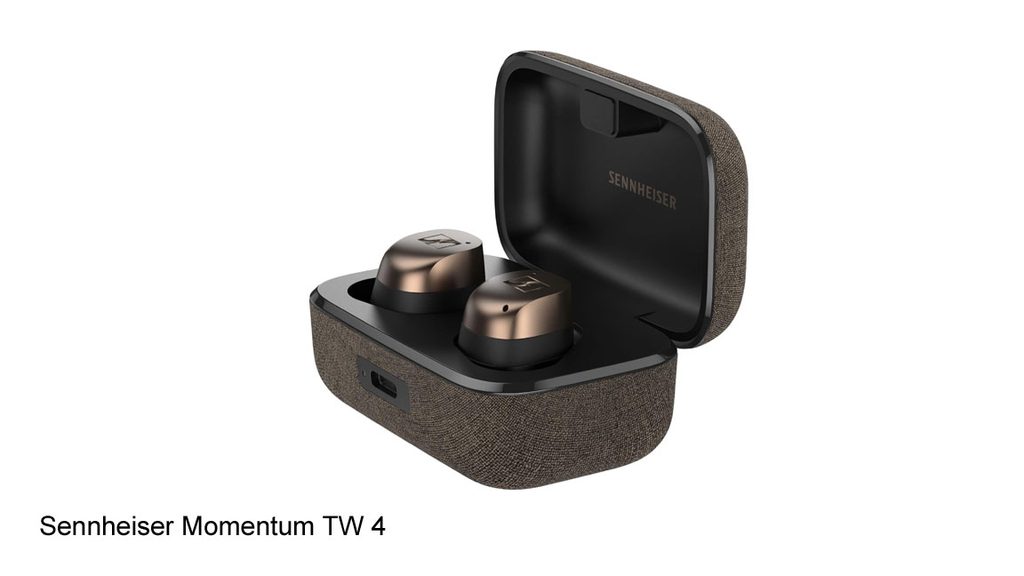
Acoustic Performance & Qualcomm aptX Lossless
At the heart of the MTW4 is Sennheiser’s renowned 7mm TrueResponse transducer system, manufactured in Ireland. Unlike standard consumer buds that artificially boost low and high ends (a heavy V-shaped sound profile), Sennheiser offers an expansive, reference-grade frequency response. Android users with compatible Snapdragon Sound devices can stream genuine bit-perfect CD-quality audio (16-bit/44.1kHz) over aptX Lossless without compression artifacts.
Build Quality and Everyday Usability
The case features Sennheiser’s signature premium woven fabric finish. Inside, an upgraded antenna architecture reduces packet drops in urban centers. The Smart Control app features a Sound Personalization test, configuring an individualized hearing profile tailored to your unique auditory sensitivity.
| Specification | Details |
|---|---|
| Driver Architecture | 7mm TrueResponse dynamic drivers |
| Bluetooth Version | 5.4 with Auracast and LE Audio |
| Supported Codecs | aptX Lossless, aptX Adaptive, aptX, AAC, SBC |
| Battery Endurance | 7.5h (ANC Off) / 7h (ANC On) / 30h total with case |
| Charging Interface | USB-C & Qi Wireless Charging |
| Water Resistance | IP54 (Dust & splash resistant) |
| Android Features | Smart Control App, Parametric EQ, Sound Personalization |
Pros & Cons
- Pros:
- Class-leading acoustic fidelity, dynamic range, and imaging
- Future-proof connectivity with Bluetooth 5.4, Auracast, and aptX Lossless
- IP54 dust and splash rating provides durable daily protection
- Cons:
- Fabric case is bulkier than competitors’ slim pocket designs
- ANC is good, but slightly behind Bose and Sony in loud environments
Google Pixel Buds Pro 2: The Smoothest Native Experience
Just as the Apple ecosystem benefits from tailored integration with AirPods, Google’s Pixel Buds Pro 2 provides the most cohesive software experience for Android users. Driven by Google’s custom Tensor A1 audio processing chip, these ultra-compact earbuds handle real-time computation, AI translations, hands-free Gemini access, and responsive touch controls without latency.
| Metric | Rating / Detail |
|---|---|
| Sound Quality | 8.9 / 10 |
| ANC Level | 9.0 / 10 |
| Battery Life | 9.2 / 10 |
| Fit & Comfort | 9.7 / 10 |
| Key Processor | Google Tensor A1 Chip |
| Best For | Pixel & Android enthusiasts, Google Gemini users |
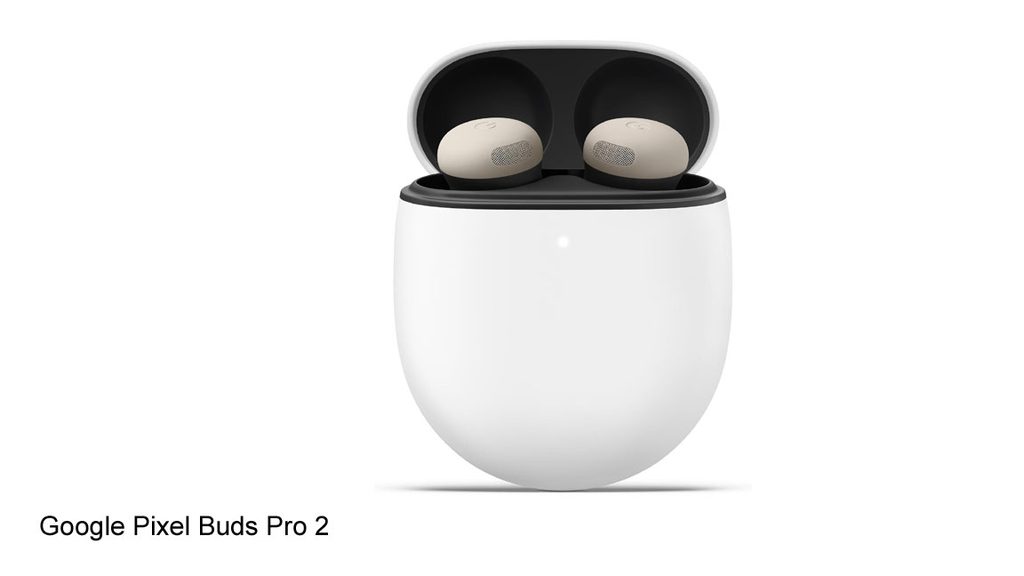
Android Synergy & Gemini AI Integration
The primary advantage here is seamless operating system integration. The setup process is instant through Google Fast Pair: opening the case near any modern Android phone immediately brings up an intuitive setup prompt. With built-in support for Google Gemini, you can receive real-time updates, translate conversations across different languages, reply to messages, and control smart home systems hands-free without looking at your display.
Sound Profile & Silent Seal 2.0
The Tensor A1 chip runs multipath processing, dedicating one signal chain exclusively to silent, artifact-free noise reduction (Silent Seal 2.0) and another to clear audio reproduction through 11mm dynamic drivers. The sound signature is energetic and well-balanced, featuring punchy bass, crisp highs, and Volume EQ, which dynamically maintains tonal accuracy across all output levels.
| Specification | Details |
|---|---|
| Driver Architecture | 11mm custom dynamic drivers |
| Dedicated Chip | Google Tensor A1 |
| Bluetooth Version | 5.4 with Super Wideband voice |
| Supported Codecs | AAC, SBC, Opus |
| Battery Endurance | 8h (ANC On) / 12h (ANC Off) / 30h total with case |
| Charging Interface | USB-C & Qi Wireless Charging |
| Water Resistance | Earbuds IP54 / Case IPX4 |
| Android Features | Native Find My Device, Gemini Hands-free, Spatial Audio |
Pros & Cons
- Pros:
- Flawless integration with the Android operating system
- Extremely compact, lightweight design with an adjustable twist-to-lock stabilizer fin
- Charging case includes an integrated speaker for Find My Device tracking
- Cons:
- Lacks advanced high-bitrate codecs like LDAC or aptX Adaptive
- Spatial audio with head tracking is exclusive to select Google Pixel phones
Samsung Galaxy Buds3 Pro: The Flagship for Galaxy Owners
The Samsung Galaxy Buds3 Pro introduces a modern angular stem design featuring interactive Blade Lights. Engineered to push the boundaries of high-resolution processing within Samsung’s ecosystem, these earbuds act as an indispensable accessory for Galaxy smartphone users while remaining a competitive choice across broader Android devices.
| Metric | Rating / Detail |
|---|---|
| Sound Quality | 9.4 / 10 |
| ANC Level | 9.2 / 10 |
| Battery Life | 8.3 / 10 |
| Fit & Comfort | 9.3 / 10 |
| Key Codec | Samsung Seamless Codec (SSC HiFi 24-bit/96kHz) |
| Best For | Samsung Galaxy users, daily multitasking |
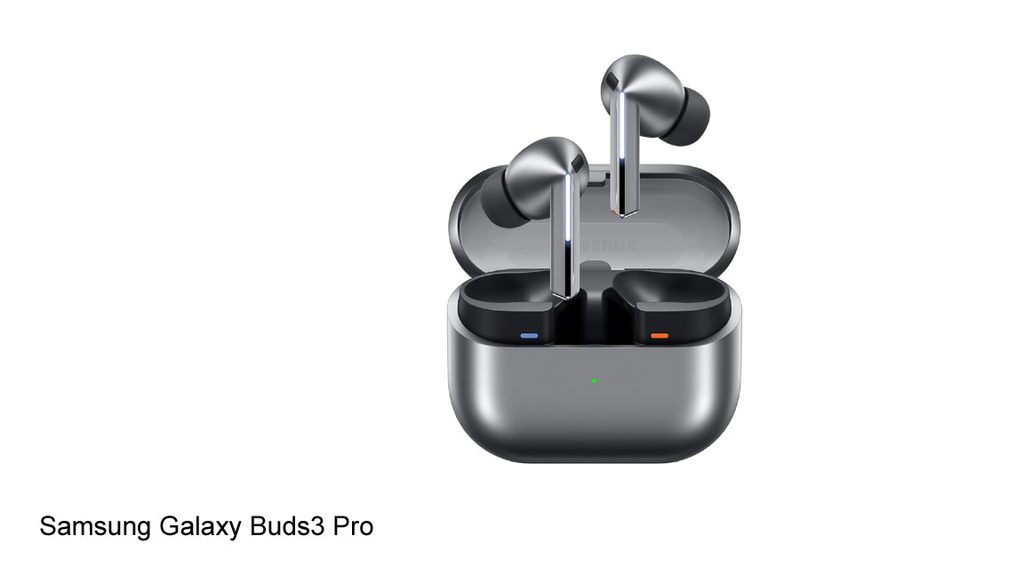
Acoustic Engineering & Dual Amplification
Samsung upgraded its internal driver architecture by pairing a custom 10.5mm dynamic woofer with a 6.1mm planar magnetic tweeter. Each driver is powered by an independent dual amplifier. The result is rapid transient response, pristine high-frequency extension without harsh sibilance, and tight low-end punch. When paired with a compatible Samsung device running One UI, the proprietary Samsung Seamless Codec (SSC) delivers uncompressed 24-bit/96kHz audio transmission.
Adaptive Noise Control & Voice Detect
Microphones analyze internal and external audio signals in real time. Adaptive Noise Control adjusts cancellation strength based on ambient sound, while Voice Detect and Siren Detect automatically drop your media volume and switch to Transparency Mode the moment you begin speaking or an emergency vehicle passes.
| Specification | Details |
|---|---|
| Driver Architecture | Dual Driver (10.5mm Dynamic + 6.1mm Planar Magnetic) |
| Amplification | Dual Independent Digital Amplifiers |
| Bluetooth Version | 5.4 |
| Supported Codecs | SSC, SSC UHQ, AAC, SBC |
| Battery Endurance | 6h (ANC On) / 7h (ANC Off) / 26h total with case |
| Charging Interface | USB-C & Qi Wireless Charging |
| Water Resistance | IP57 (Dust protected and water immersion up to 1 meter) |
| Android Features | Auto Switch, Galaxy AI live translation, stem touch gestures |
Pros & Cons
- Pros:
- Planar tweeter and dynamic woofer create exceptional separation and clarity
- IP57 rating offers top-tier water and dust resistance
- Intuitive stem controls for volume adjustment and track navigation
- Cons:
- Best features (24-bit/96kHz SSC audio, 360 Audio) are exclusive to Samsung phones
- Non-Samsung Android users must install separate wearable plugins
Anker Soundcore Liberty 4 NC: Unbeatable Price-to-Performance
Not every consumer wants to spend over $200 for premium wireless audio. The Anker Soundcore Liberty 4 NC proves that you can secure high-resolution Bluetooth support, robust noise cancellation, and marathon battery life at an accessible price point, making it a standout budget pick for Android.
| Metric | Rating / Detail |
|---|---|
| Sound Quality | 8.5 / 10 |
| ANC Level | 8.8 / 10 |
| Battery Life | 10 / 10 |
| Fit & Comfort | 8.8 / 10 |
| Key Feature | Exceptional value, LDAC high-res under $100 |
| Best For | Budget shoppers, students, everyday commuters |
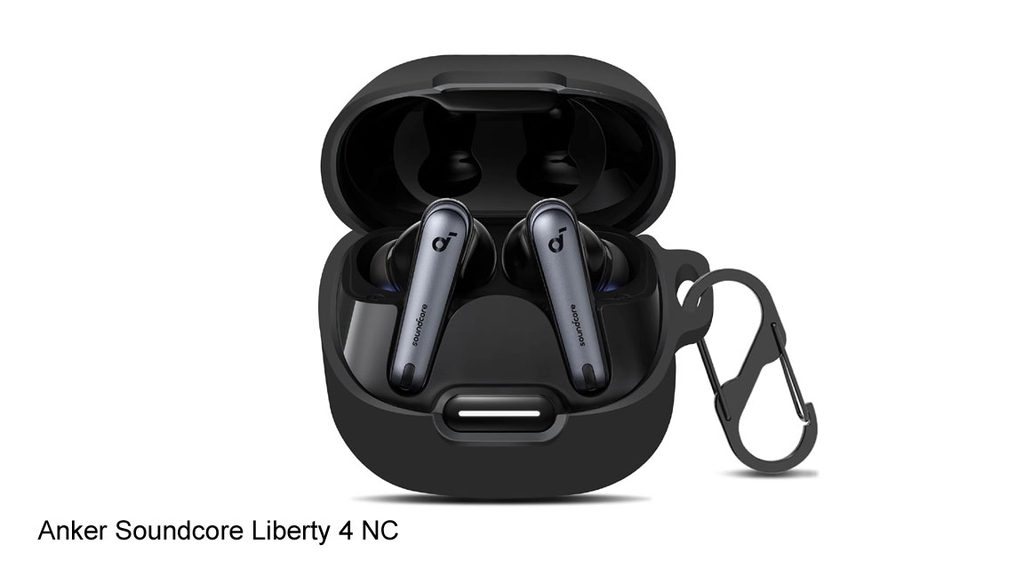
Value Engineering & LDAC Inclusion
The defining feature of the Liberty 4 NC is its inclusion of Sony’s LDAC codec at a fraction of the cost of flagship alternatives. Android users can stream detailed, high-resolution audio files without paying a premium. While the stock sound profile is tuned with a classic consumer V-shape (boosted bass and treble), the Soundcore companion app features an extensive 8-band custom graphic equalizer and HearID 2.0 sound profiling to balance the output cleanly.
ANC & Battery Longevity
Anker utilizes its Adaptive ANC 2.0 system, which incorporates real-time ear canal calculation algorithms. It blocks up to 98.5% of repetitive background rumbles. Furthermore, the battery life is class-leading: up to 10 hours of continuous playback per charge, with an additional 40 hours stored in the clamshell charging case.
| Specification | Details |
|---|---|
| Driver Architecture | 11mm custom dynamic drivers |
| Bluetooth Version | 5.3 |
| Supported Codecs | LDAC, AAC, SBC |
| Battery Endurance | 10h (ANC Off) / 8h (ANC On) / 50h total with case |
| Charging Interface | USB-C & Wireless Charging |
| Water Resistance | IPX4 |
| Android Features | Google Fast Pair, multi-point connection, Soundcore App |
Pros & Cons
- Pros:
- Exceptional value proposition with premium flagship features
- Full LDAC support allows high-res streaming on Android
- Class-leading total battery endurance (up to 50 hours)
- Cons:
- Microphone clarity can struggle in windy environments
- Plastic build feels lighter than premium flagships
Detailed Technical Evaluation: Android Audio Codecs Explained
To get the most out of your audio on an Android device, understanding Bluetooth codecs is essential. Android supports high-bitrate codecs natively within its developer options and audio stack.
| Code | Developer | Max Bitrate | Bit Depth / Sample Rate | Best Use Case |
|---|---|---|---|---|
| SBC | Bluetooth SIG | 328 kbps | 16-bit / 48 kHz | Baseline audio, universal compatibility |
| AAC | Fraunhofer / Apple | 320 kbps | 24-bit / 44.1 kHz | Balanced everyday streaming |
| aptX Adaptive | Qualcomm | Up to 860 kbps | 24-bit / 96 kHz | Dynamic bitrate scaling, low latency |
| LDAC | Sony | 990 kbps | 24-bit / 96 kHz | True Hi-Res audio streaming |
| aptX Lossless | Qualcomm | 1,200 kbps | 16-bit / 44.1 kHz | Bit-perfect CD audio fidelity |
1. LDAC (Sony)
- Maximum Bitrate: Up to 990 kbps
- Sampling Rate & Depth: 24-bit / 96 kHz
- Why it matters: LDAC has been integrated into core Android since Android 8.0 Oreo. Any Android user can enable high-resolution transmission without purchasing proprietary brand hardware. It provides maximum clarity for classical compositions, jazz ensembles, and complex multi-layered rock.
2. Qualcomm aptX Adaptive & aptX Lossless
- Maximum Bitrate: Scalable from 279 kbps to over 1.1 Mbps
- Why it matters: aptX Adaptive continuously scales its bitrate based on environmental interference, preventing stuttering in busy urban areas or train stations. If your Android device features Snapdragon Sound, aptX Lossless provides genuine CD-quality audio without data loss.
3. AAC (Advanced Audio Coding)
- Maximum Bitrate: ~256 to 320 kbps
- Why it matters on Android: While AAC performs consistently on Apple’s hardware due to dedicated hardware encoders, Android handles AAC encoding via software, which can lead to mixed battery and latency performance depending on your phone’s processor. As an Android user, prioritize LDAC or aptX options when available.
How to Optimize Your Android Phone for High-Resolution Audio
Purchasing high-end earbuds is step one; configuring Android’s operating system to utilize their full capabilities is step two. Many Android phones default to conservative, battery-saving codec profiles out of the box. Follow this configuration walkthrough to unlock peak acoustic output:
Step 1: Enable Developer Options
- Open the Settings menu on your Android device.
- Scroll to the bottom and select About Phone (or System Information).
- Locate Build Number and tap it rapidly seven times in succession.
- Input your device PIN or password when prompted. You will see a notification stating: “You are now a developer!”
Step 2: Configure the Bluetooth Audio Stack
- Return to the primary Settings menu, select System, and tap Developer Options.
- Scroll down to the Networking / Bluetooth configuration section.
- Locate Bluetooth Audio Codec: Select LDAC or Qualcomm aptX Adaptive (matching your earbud specifications).
- Tap Bluetooth Audio Sample Rate: Select 96.0 kHz (or 48.0 kHz for standard streaming).
- Tap Bluetooth Audio Bits Per Sample: Change from standard 16-bit to 24-bit or 32-bit.
- Locate Bluetooth Audio LDAC Playback Quality: Switch from “Best Effort (Adaptive Bitrate)” to “Optimized for Audio Quality (990 kbps/909 kbps)” for pure audiophile listening.
Pro Tip: Setting LDAC to a forced 990 kbps output delivers maximum acoustic detail, but keep your phone within direct line-of-sight (e.g., front pocket) to prevent wireless interference when walking through congested city intersections.
Comprehensive Buying Guide: Choosing the Right Earbuds
Selecting the best wireless earbuds for an Android device comes down to your primary use cases, environment, and budget. Use this structured decision framework to pinpoint the model that fits your needs:
| Priority | Recommended Model | Primary Reason |
|---|---|---|
| Pure Sound Fidelity | Sennheiser MTW4 / Sony XM5 | TrueResponse drivers & 990 kbps LDAC support |
| Silence / Commute | Bose QuietComfort Ultra | Unrivaled high-frequency and low-rumble cancellation |
| Native Ecosystem & AI | Google Pixel Buds Pro 2 | Tensor A1 chip, hands-free Gemini, Find My Device |
| Samsung Users | Samsung Galaxy Buds3 Pro | 24-bit/96kHz SSC audio, dual-amp planar tweeters |
| Best Budget / Value | Anker Soundcore Liberty 4 NC | LDAC codec and 50-hour battery life under $100 |
1. Daily Commuters and Frequent Travelers
- Top Requirement: Deep Active Noise Cancellation and low-frequency rumble elimination.
- Selection: The Bose QuietComfort Ultra leads in this category, with the Sony WF-1000XM5 as a close runner-up due to its passive isolation from polyurethane foam tips.
2. Audiophiles and Critical Music Listeners
- Top Requirement: Wide soundstage, accurate transient response, parametric EQ, and high-bitrate codecs (LDAC / aptX Lossless).
- Selection: The Sennheiser Momentum True Wireless 4 for sheer sonic realism, or the Sony WF-1000XM5 for an adaptable LDAC soundstage.
3. Fitness Enthusiasts and Athletes
- Top Requirement: Dust and water ingress protection (minimum IPX4, ideally IP55+), secure retention, and tactile controls.
- Selection: The Samsung Galaxy Buds3 Pro (IP57 immersion rating) or the lightweight Google Pixel Buds Pro 2 with twist-to-lock stabilizer fins.
4. Remote Workers and Business Callers
- Top Requirement: Multi-microphone beamforming arrays, bone conduction voice pickup units, side-tone support, and Bluetooth Multipoint.
- Selection: The Sony WF-1000XM5 (AI bone-conduction voice extraction) or the Google Pixel Buds Pro 2 with Super Wideband voice clarity.
5. Value and Budget Shoppers
- Top Requirement: High-end features, reliable battery performance, and solid daily usability without exceeding $100.
- Selection: The Anker Soundcore Liberty 4 NC, offering flagship LDAC support and 50 hours of total playtime at an accessible price.
Frequently Asked Questions (FAQ)
Can I use Apple AirPods Pro on an Android phone?
Yes, AirPods connect to Android devices via standard Bluetooth protocols, but the experience is limited. You lose battery status indicators, custom sound profiles, ear tip fit tests, native hands-free voice assistant integration, auto-pause detection, and Spatial Audio tracking. For Android users, purpose-built alternatives like the Sony WF-1000XM5 or Google Pixel Buds Pro 2 offer far better functionality.
Does LDAC drain my Android phone’s battery faster?
Yes. Transmitting data at high bitrates (up to 990 kbps) requires higher processing power from both your phone’s Bluetooth modem and the earbud’s decoding hardware. You may notice an approximate 15% to 20% increase in battery consumption when streaming over LDAC compared to standard AAC or SBC codecs.
What is the difference between water resistance ratings (IPX4 vs IP57)?
- IPX4: Splash resistant. Protects against sweat and light rain droplets from any direction, but cannot withstand pressurized water or submersion.
- IP54/IP55: Dust-protected and resistant to direct low-pressure water jets.
- IP57: Ingress protection against harmful dust deposits, and safe for complete water submersion up to 1 meter (approx. 3.3 feet) for 30 continuous minutes.
What is Bluetooth Multipoint and why is it important?
Bluetooth Multipoint allows your wireless earbuds to maintain concurrent active connections with two separate host devices simultaneously (e.g., your Android smartphone and your Windows laptop). If you are listening to audio on your PC and receive a phone call on your Android device, the earbuds will automatically pause PC playback and switch the audio stream to your phone seamlessly.
Final Verdict: Which Android Earbuds Should You Buy?
Android gives you the freedom to choose hardware tailored precisely to your priorities:
- The Overall Winner: The Sony WF-1000XM5 remains the benchmark for most Android users. By combining reference-grade LDAC audio performance with exceptional active noise cancellation, clean multipoint switching, and an ergonomic chassis, it delivers a complete, high-end package.
- The Noise-Cancelling Champion: If eliminating external chaos on planes, trains, and busy offices is your top goal, the Bose QuietComfort Ultra provides unmatched acoustic isolation.
- The Best Value: If you want premium high-resolution sound, active noise reduction, and expansive battery life without overspending, the Anker Soundcore Liberty 4 NC stands out as the value leader.
Match your choice to your budget, daily routines, and audio preferences to get the most out of your Android listening experience.